
Trace elements at the mineral scale are easy to miss.
Bulk grade says how much is there, not whether it can be recovered.
Centralized lab results arrive three to six weeks behind the drill program.
And when a deposit’s chemistry doesn’t add up, the mineral-scale data to explain it often doesn’t exist.
Massbox changes that.
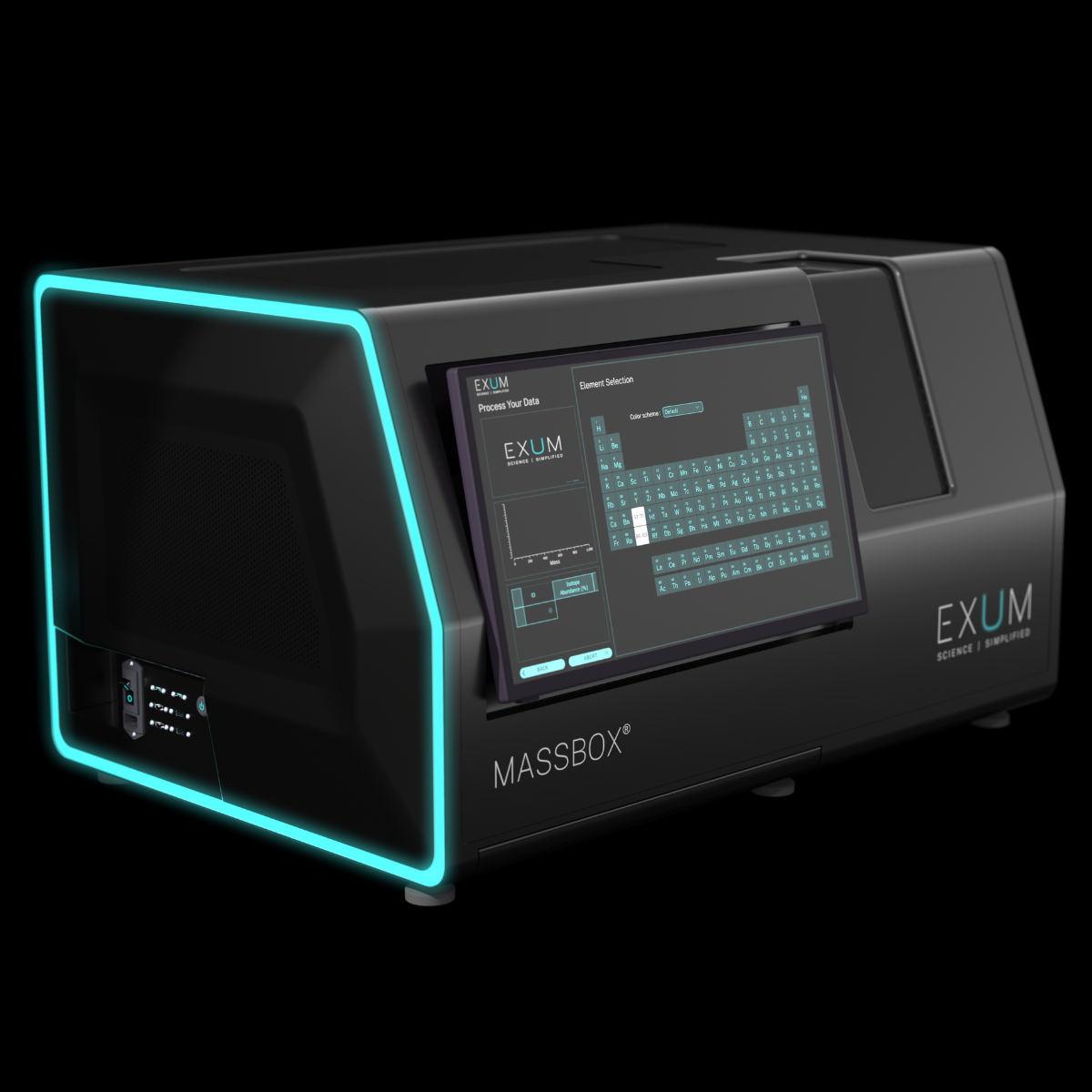
Powered by Laser Ablation Laser Ionization Time-of-Flight Mass Spectrometry (LALI-TOF-MS) Technology: Get the full chemistry of any solid sample, wherever you need it, within minutes.
BOOK A DEMO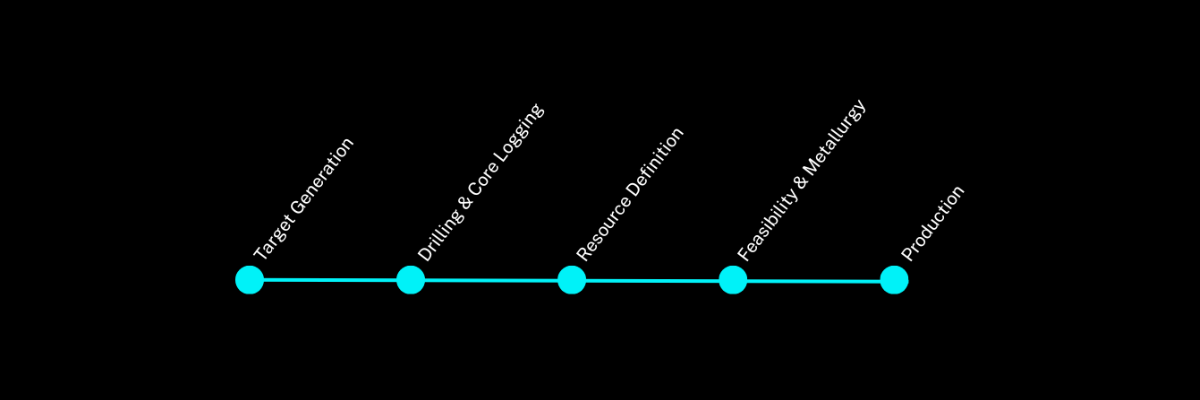

Shorten your drill-to-decision cycle. Trace-level, mineral-scale chemistry captured while logging can still change the next hole, the sampling plan, and the metallurgical testwork program.

Characterizing which mineral hosts the value, and which phases carry penalty elements, ensures optimized extraction and processing strategies before expensive missteps.

Establish market leadership with analytical capabilities competitors can’t match. Access trace-level, mineral-scale data that speeds target advancement and resource definition.

Touch-screen controls and automatic element identification deliver laboratory-quality results without complex operations or specialized training in the field office.
For many techniques, light and rare earth elements can be a problem to work around, especially in trace quantities. For example, XRF lacks the sensitivity for lithium and beryllium, whilst ICP-MS requires acid digestion that destroys the spatial picture. Massbox quantifies trace and critical elements directly from solid samples—glass reference materials, heterogeneous rock, and mineral powders alike—delivering accuracy across the full concentration range a deposit presents, without acid digestion and without switching instruments.
Lithium concentrations in geologic samples span orders of magnitude, from trace levels in accessory minerals to several weight percent in lithium-rich deposits.
Using microstandards spanning granodiorite, pegmatite, lithium ore, and blended sediment, Massbox built a single linear calibration curve spanning 11.8 ppm to 2.66 weight percent lithium—across three orders of magnitude in heterogeneous rock and mineral powders, without sending samples to a centralized laboratory.
Related Reading: Download Application Note

Rare earth elements rarely occur in concentrated, economically viable mineral forms, so detecting them requires trace-level sensitivity. This is complicated with XRF and ICP-MS due to overlapping spectral lines and acid digestion respectively.
Massbox quantified 14 rare earth elements within 6 percent of certified values using a single-point calibration from a glass reference material, demonstrating trace-level accuracy without acid digestion.
Related Reading: Download Application Note
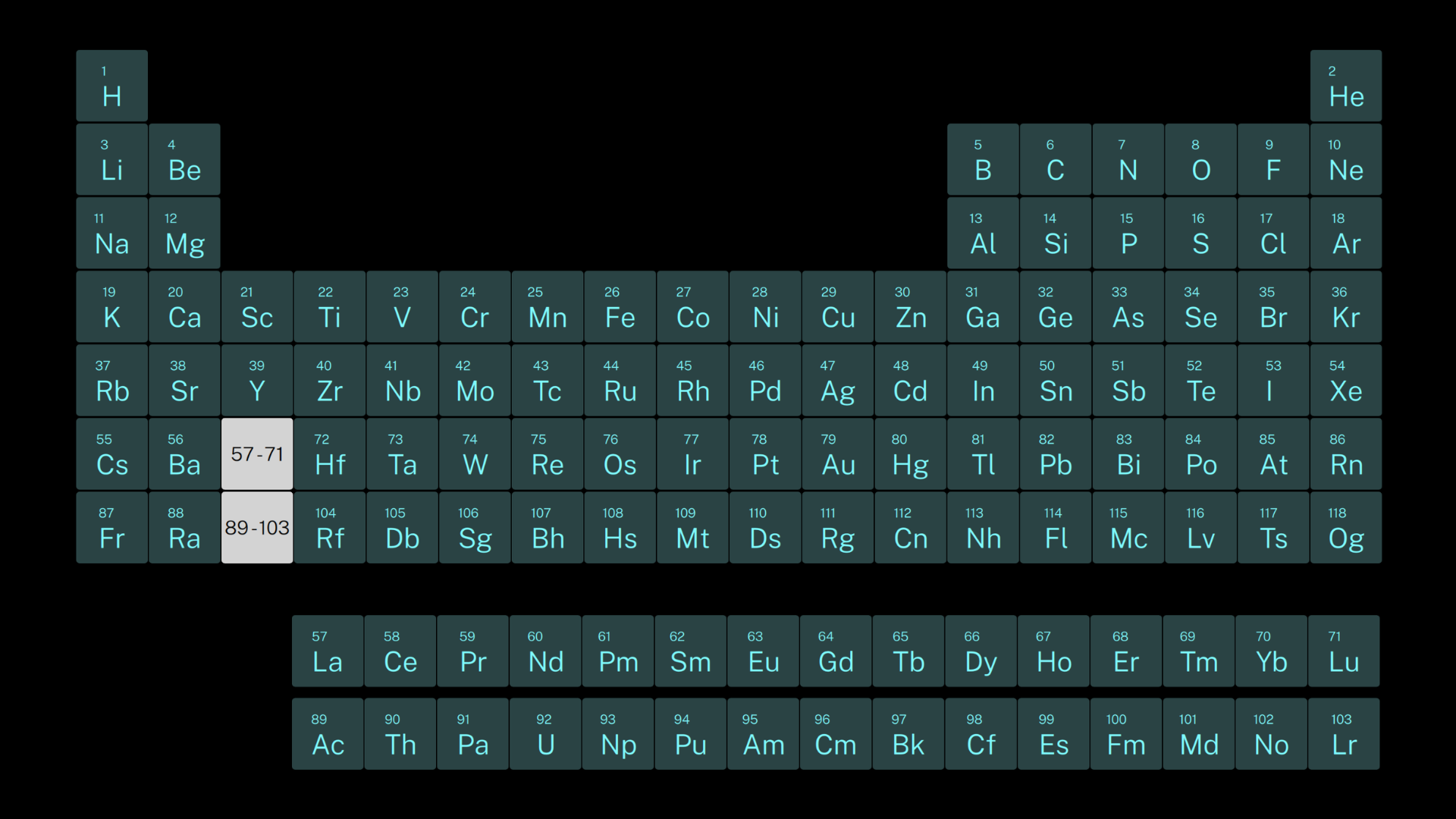
Bulk grade shows how much of an element is present, not whether it is recoverable or which mineral carries it. Automated mineralogy identifies mineral phases but not ppm-level trace or precious-metal chemistry. Fire assay delivers gold grade but no spatial context. Massbox maps the full periodic table at every laser spot—so the mineral host and its trace-element signature appear together in the same session.
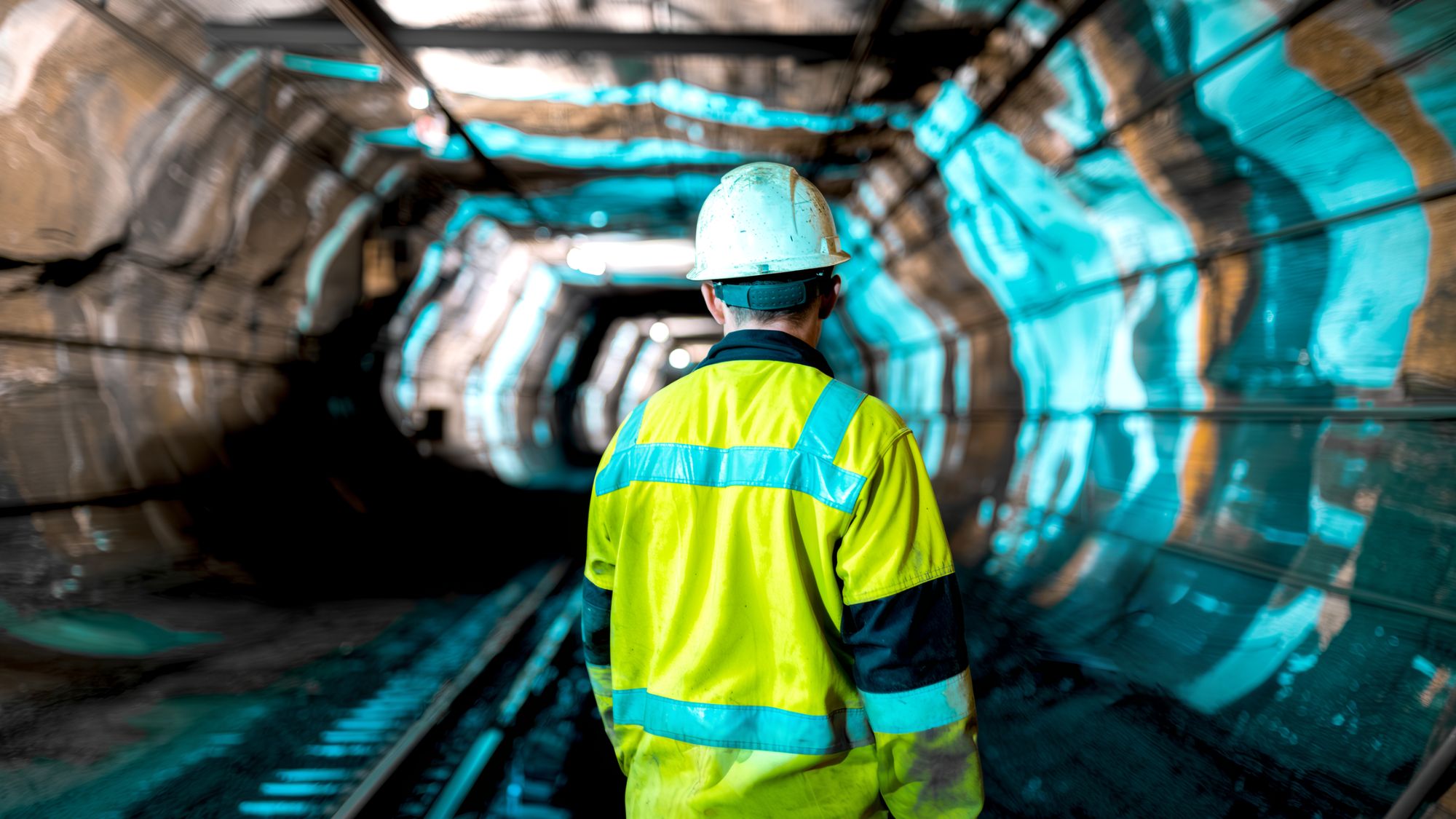
In critical mineral exploration, knowing which mineral hosts the element of interest determines whether a deposit is economically viable and how to process it.
In a thin section core plug study, Massbox mapped a 9.4 mm by 7.35 mm area across composite grains at 50-micron resolution, revealing element groupings for mineral identification and trace lithium in distinct grains.
Related reading: Download Application Note
In a rock thin section, an 80-micron survey identified a cobalt-rich zone; a follow-up map at 20-micron resolution located the host mineral and trace zinc below the other technique's detection threshold.
In a separate aquamarine-bearing sample, Massbox measured beryllium directly to distinguish the gem from its host granite, where aluminum and silicon maps alone could not, and located trace pockets of germanium and neodymium.
Related reading: Download Application Note
Massbox does more than quantify and map. It brings that same chemistry outside the lab, and builds a three-dimensional record from the same data.
Mining follows a slow analytical cadence: samples ship to centralized labs, and results return three to six weeks later, weeks behind the real-time conditions that drive drilling decisions.
Massbox requires only single-phase power and basic room temperature control—no argon gas, fume hoods, or hazardous chemicals—bringing lab-grade trace element analysis directly to the field office or processing facility.
Related Reading: Download Application Note
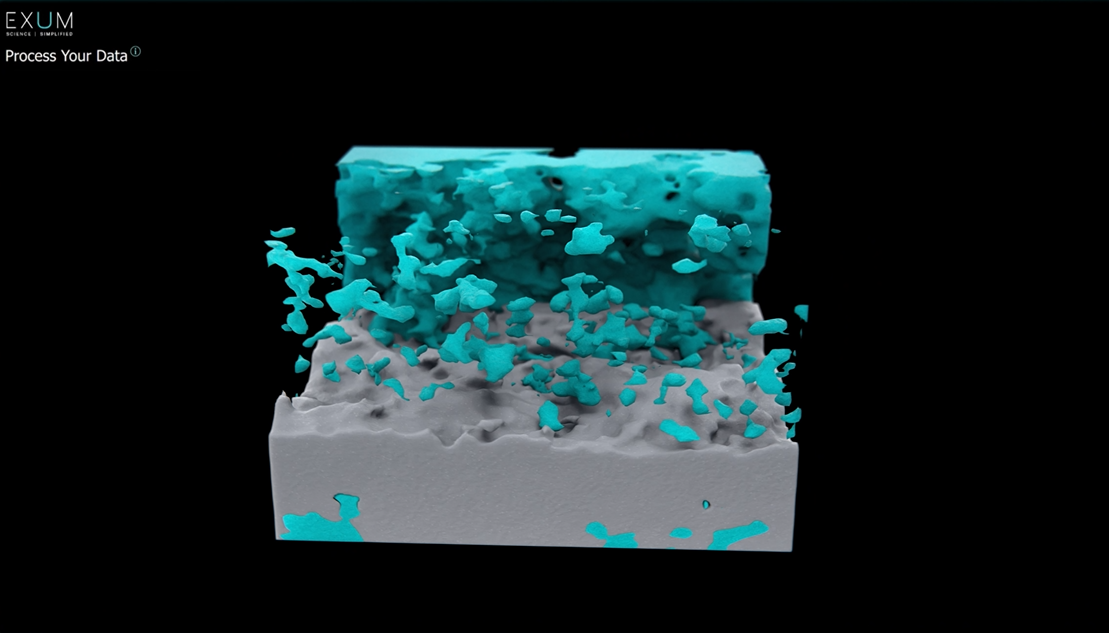
The same laser-spot data that powers quantification and mapping also builds a three-dimensional record.
Removing material layer by layer, Massbox reconstructs compositional variation with depth—from weathering rinds and coatings to zoned mineral grains, see your sample in 3D.
The gap between the question and the answer is where exploration and processing programs stall. Massbox closes it—directly from solid samples, at the point of need.
Get cleaner spectra, more reliable elemental verification, and simultaneous results across the full periodic table in a single session.


