

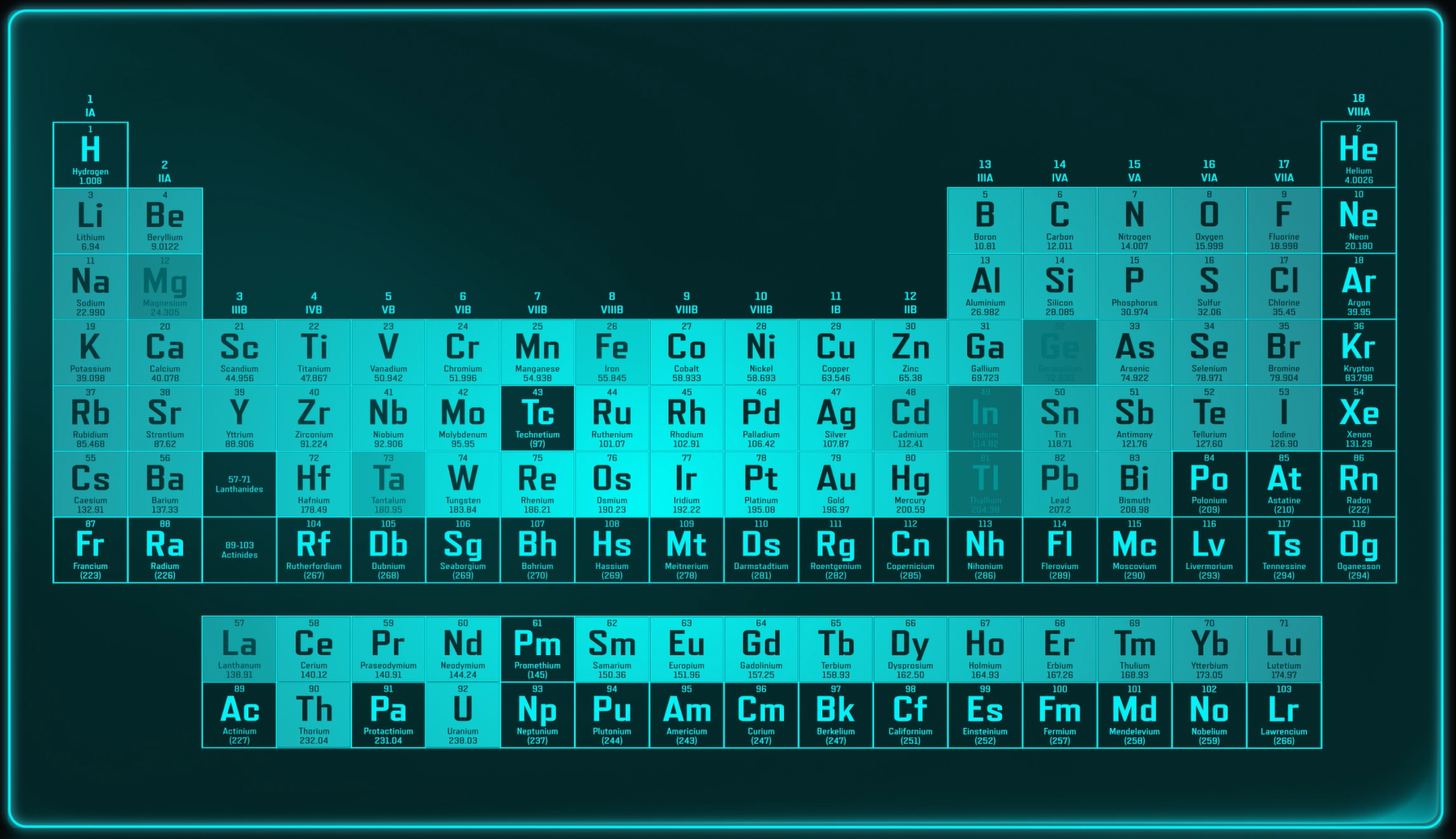
Determine the constituents of your material, from lithium to uranium, including light elements like C, N, O, and F that other techniques struggle to detect.
Sub-ppm detection limits and reliable isotopic verification mean you can trust what you’re seeing.
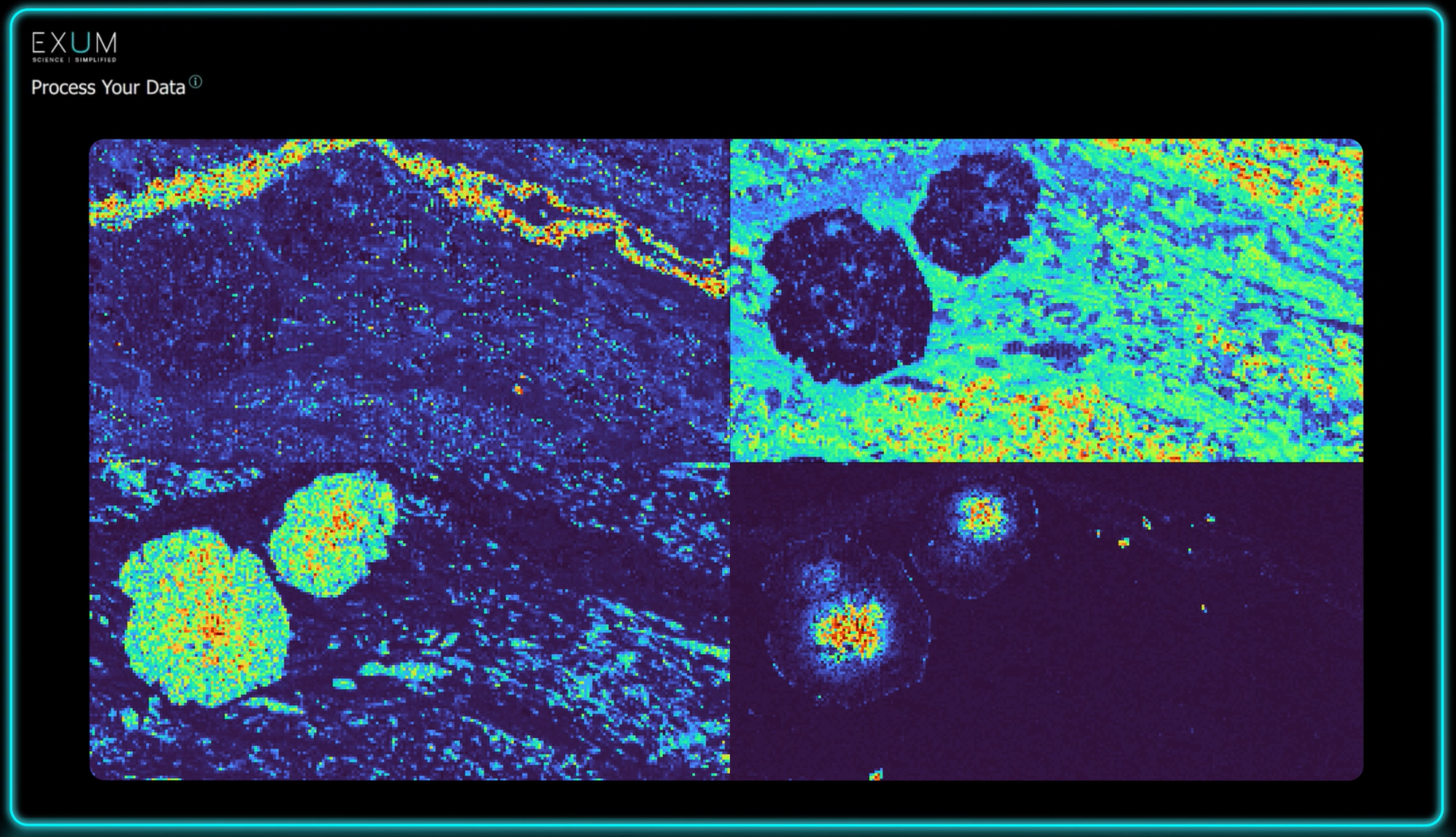
See where every element is, not just how much of it is present.
Map up to 90 mm × 90 mm at 5–150-micron resolution to reveal the spatial heterogeneities, contaminants, and inclusions that bulk analysis misses entirely.
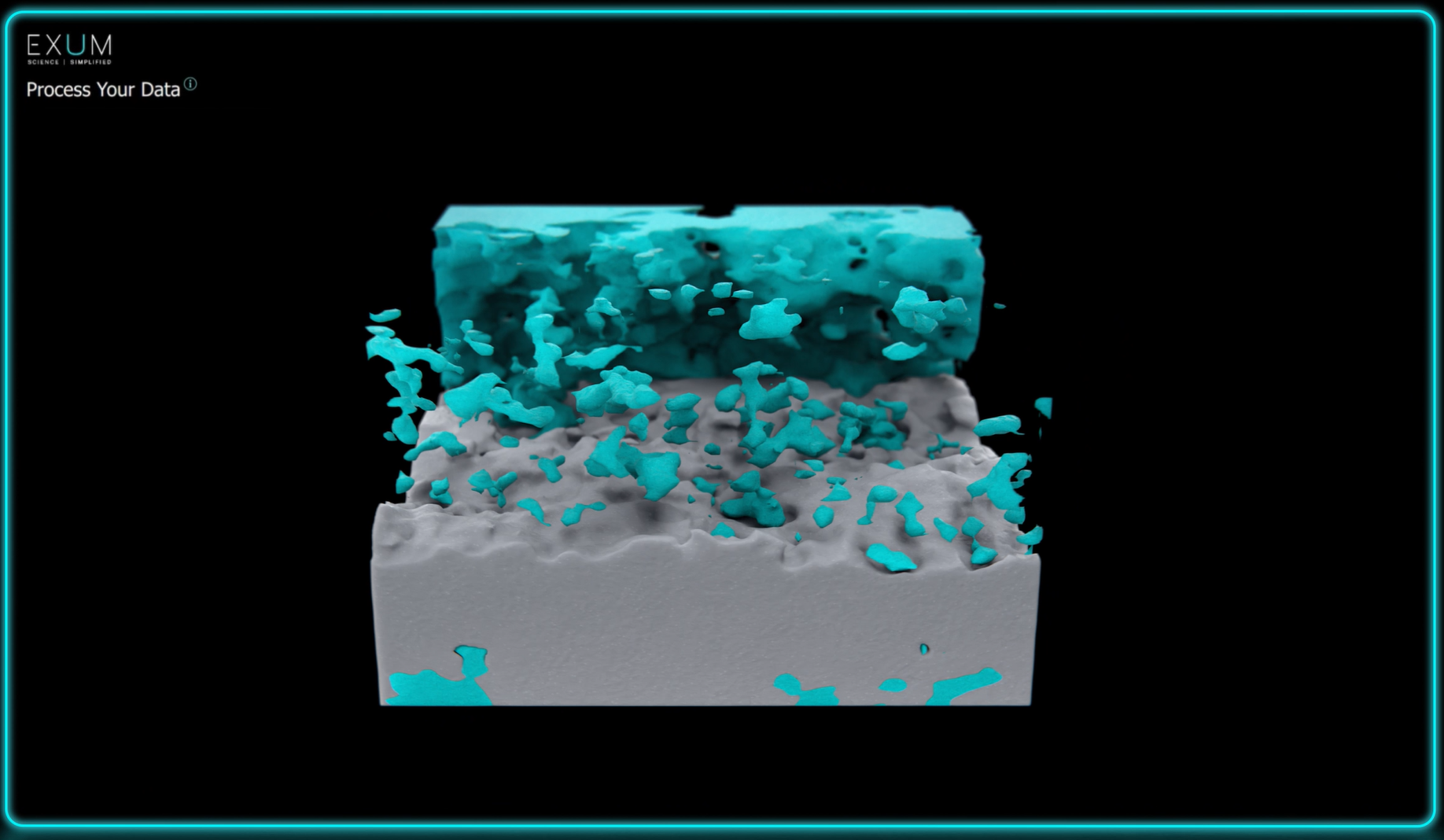
Understand your material in three dimensions without cutting, polishing, or cross-sectioning.
Build a layer-by-layer picture through tens of microns, characterizing coatings, SEI layers, interfaces, and failure penetration with nanometer-scale depth resolution.
Load your sample, define your analysis, and press go. Massbox automatically identifies and isotopically verifies every detected element. What previously required multiple instruments and hours of sample preparation now happens in a single session.
Massbox fits on a 3.5 ft × 2 ft bench space and runs on standard single-phase power. It requires no gas cylinders, fume hoods, or dedicated infrastructure. Take it to the factory floor, the field office, or a remote site.
Operating under vacuum, Massbox directly analyzes air- and moisture-sensitive materials such as cycled battery electrodes, reactive metal powders, or solid-state electrolytes, without atmospheric exposure compromising your results.

From new battery chemistries to critical mineral deposits to advanced materials, Massbox is changing how scientists and engineers work.
Explore APPLICATIONS
See how Massbox compares to ICP-MS, XRF, LIBS, and SEM-EDX and what that means for your operating costs and throughput.
Explore Results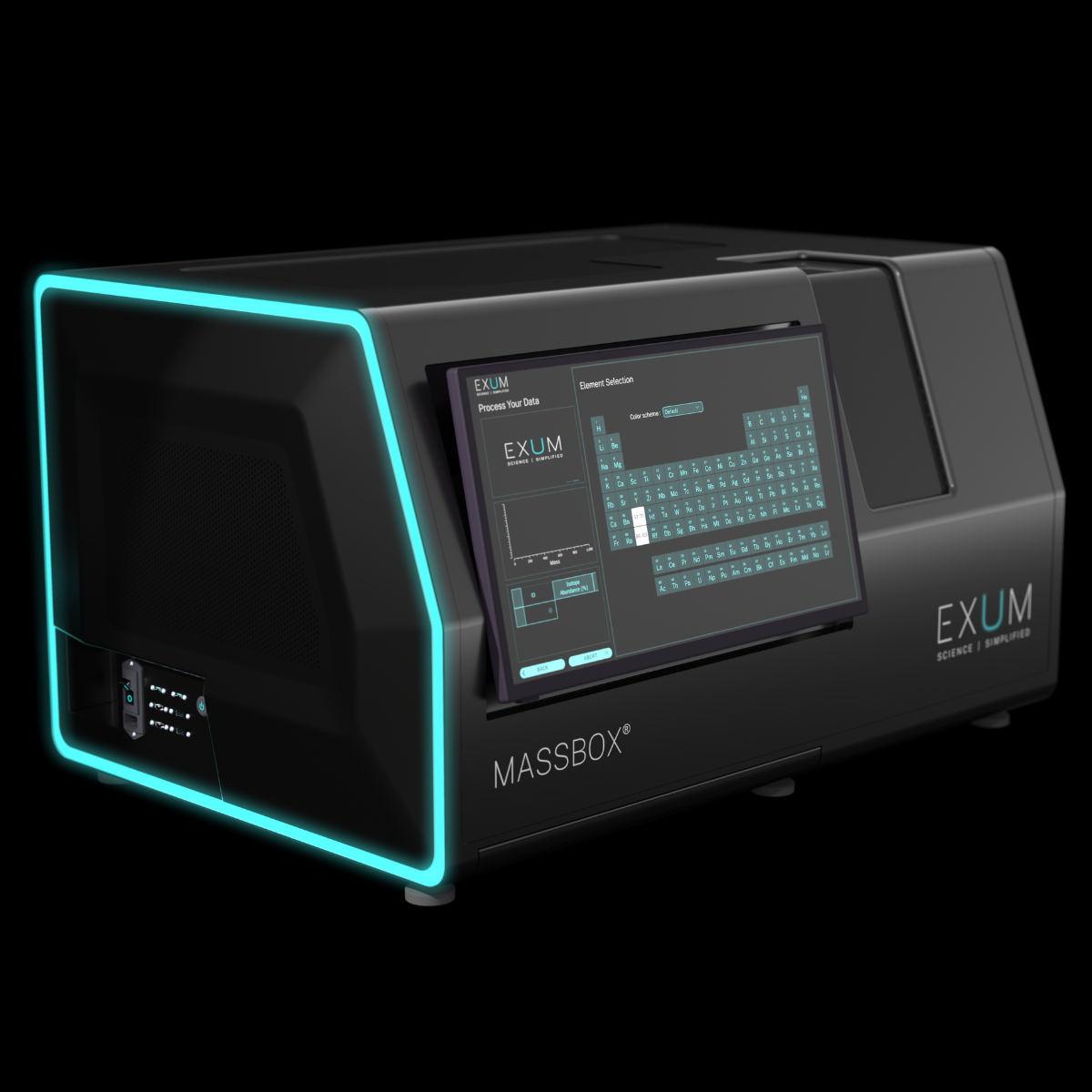
Massbox combines a patented dual-laser (LALI) ionization source with Time-of-Flight (TOF) mass analyzer. One laser removes material from a solid sample, a second laser ionizes neutral particles; eliminating many of the interferences and matrix effects that plague other techniques.
Get cleaner spectra, more reliable elemental verification, and simultaneous results across the full periodic table in a single session.

Detection limits down to 100s of ppb (application and element dependent)
Straightforward quantification from clean mass spectra and isotopic elemental verification
Elemental mapping up to a 90-mm-by-90-mm area with 5-150-micron resolution
Depth profiling with up to 10-100-nm resolution (application dependent)
Instrument size: 106 cm (W) x 68 cm (D) x 59 cm (H)
High vacuum environment achieved less than 1 minute after samples are loaded
Mass resolution: 800 dm/m at mass of 100
Versatile sample accommodation within 90 mm x 90 mm area


